Structure-based design from target to molecule, in one environment.
An integrated workspace for early discovery: tissue and disease context for any human gene, binding-site prediction on any structure, and generative design of protein binders, antibody CDRs, small-molecule screens, and aptamer scaffolds. Each stage is backed by a peer-reviewed method.
Fetch any structure from RCSB by PDB ID, or upload a local PDB file.
Predict pockets or epitopes and select hotspot residues to drive design.
Generate binder backbones, design sequences, and validate structures with ESMFold.
Review designs in 3D, compare scores, and download PDBs for downstream simulation.
Production-grade tools, wired end-to-end.
Each stage of the design pipeline runs on the canonical method for its task. Models execute on GPU when available and fall back to hosted inference where appropriate. All output is plain PDB — no proprietary formats, no lock-in.
Identify druggable pockets and epitopes on any structure. Four geometric and ML-based predictors run server-side and return per-residue site assignments.
Generate de novo miniprotein binders against a chosen hotspot. Backbones are diffused, sequences are designed, then folded to score interface plausibility.
Design Fab CDR loops conditioned on a target epitope. Outputs a paired heavy and light chain framework docked to the antigen.
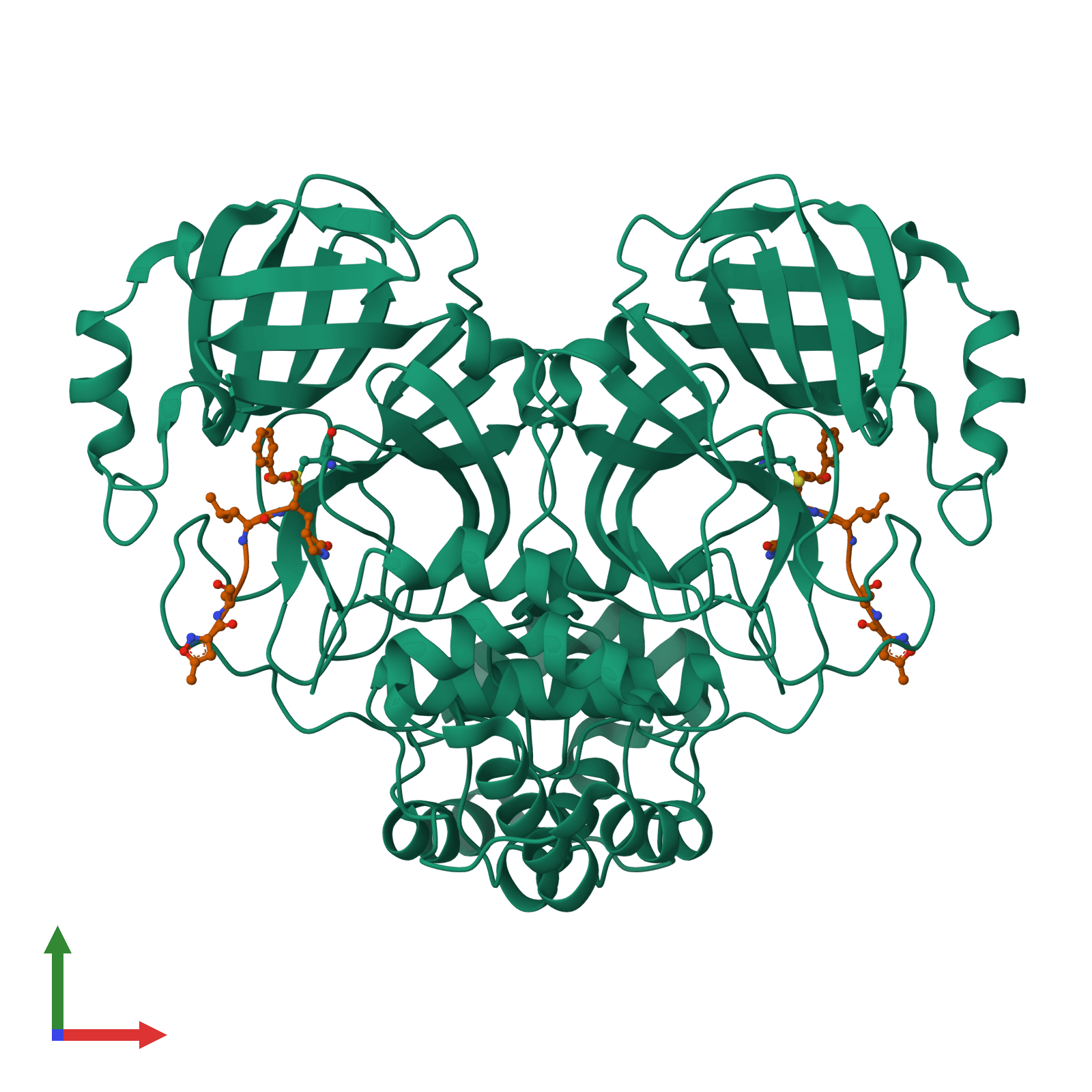
Inspect structures with a Mol*-based viewer. Chain selection, sequence panels, surface and cartoon representations, and per-site focus.
Built on published, peer-reviewed structural biology models. No bespoke training; all weights are upstream releases.
- Backbone diffusion
- RFdiffusion · RFantibody
- Sequence design
- ProteinMPNN · ProteinMPNN-Ab
- Structure prediction
- ESMFold (local + API)
- Pocket detection
- fpocket · P2Rank · DoGSite3
- Epitope prediction
- FreeSASA · DiscoTope-3
- Visualization
- Mol* (RCSB)